Corporate campuses in Riverdale sit at an interesting crosscurrent. You have Hartsfield-Jackson’s bustle to the north, Clayton County’s wooded corridors and creeks winding through properties, and a climate that toggles from soggy springs to heat that can bake a lawn in a week. When a property manager asks for a consistent look across multiple buildings, parking courts, and pocket courtyards, they are really asking for a mix of horticulture, logistics, and reliable scheduling. Good corporate grounds maintenance ties all of that together. Great maintenance acknowledges the specific conditions of Riverdale, GA and designs a campus-wide system that looks just as crisp on a Wednesday in February as it does on a July afternoon when the humidity drips off the shrubs.
This isn’t about chasing perfection on one front entrance and hoping the rest of the property takes care of itself. Corporate campus landscaping thrives when every zone, from the outparcels to the main plaza, follows a unified plan. That plan blends plant choice, scheduled office maintenance, irrigation oversight, and labor staging so the whole campus reads as one brand.
What “Consistency” Means on a Corporate Campus
When a client says consistency, they usually mean three things. First, uniform standards across all buildings: the same mowing heights, pruning profiles, seasonal color palettes, and mulch depths. Second, predictability: a calendar of tasks that tenants can anticipate, with clear windows for louder work like leaf removal. Third, resilience: a campus that looks clean and professional despite weather swings, foot traffic surges, or a construction project in a corner lot. That calls for corporate grounds maintenance that is both disciplined and flexible.
I learned this lesson on a Riverdale business park landscaping account with seven buildings, two detention ponds, and an oak-lined main drive. The first year, we focused heavily on the main entry. It looked superb, but tenants parked by Building F kept emailing about weeds creeping along the curb. It took one brutally honest walkthrough to fix the imbalance. We built a map, scored each zone monthly, and reallocated two crew hours per week from over-attended areas to chronic weak spots. Complaints fell by 80 percent within a quarter, and tenant satisfaction scores ticked up without adding cost.
Riverdale’s Microclimate and Why It Matters
Clayton County sits in USDA Zone 8a, with winter lows often dipping into the teens and summers that push turf and shrubs hard. Red clay soils dominate, and they hold water. Combine that with frequent summer storms and occasional drought weeks, and you get stress cycles that punish lawns and overwatered beds. Campus landscape maintenance has to navigate:
- Heavy clay that compacts quickly in high traffic corridors. Shade gradients from mature street trees that make turf consistency tricky. Warm nights that raise disease pressure on cool-season color and turf. Stormwater rules around detention basins and swales that change mowing and herbicide tactics.
A professional office landscaping program that ignores these constraints ends up fighting nature. The way to win is to plan for clay, shade, and water movement from day one, then tailor corporate lawn maintenance to those facts on the ground.
Building a Unified Exterior Standard
You can spot the difference between ad hoc office grounds maintenance and a true corporate office landscaping standard as soon as you pull in. Beds are shaped the same way across buildings. Turf edges are crisp to the same width. Shrubs hold their natural form, and the whole site carries consistent themes.
Campus-wide consistency begins with a playbook. We usually write one down to avoid drift.
1) Visual standards that are measurable: mowing height ranges, acceptable weed thresholds by area type, mulch depth in inches, pruning style by species, and cleanliness benchmarks after service.
2) Approved plant lists by exposure zone: a full-sun list, a dry-shade list, and a wet-tolerant list for low areas. In Riverdale, you can lean on evergreens that stay tidy without monthly shearing.
3) Task frequencies that fit use patterns: main entrances get touch-ups between full service cycles; perimeter berms can be less frequent as long as they hold shape.
Business campus lawn care grows manageable when every crew member knows what “good” looks like at each spot on the map. That is the foundation of managed campus landscaping.
Plant Palettes That Keep Their Shape
Corporate property landscaping in Riverdale does best with a backbone of reliable, moderate-growth plants. You want textures and seasonal interest that do not require weekly intervention. A few species stand out:
- Evergreen structure: dwarf yaupon holly, sunshine ligustrum, and oakleaf holly hold clean lines with two to three trims per year. They tolerate heat and bounce back after cold snaps. Foundation perennials: liriope, society garlic, coneflower, and daylily create rhythm without constant deadheading. Liriope handles curb radiants better than most. Shade beds: autumn fern and cast iron plant thrive under oaks where turf thins. They also resist foot scuffing along cut-through paths. Seasonal color for corporate office landscaping: coleus, angelonia, and vinca handle Riverdale summers; pansies, violas, and dianthus deliver in winter. Use repeatable color palettes campus-wide to reinforce brand consistency.
Uniform plant choices across buildings make recurring office landscaping services simpler to schedule and cheaper to maintain. Replacement stock is easier to source, pruning cycles line up, and irrigation needs become predictable.
Turf Strategy: Fescue vs. Bermuda vs. Zoysia
The biggest campus-wide consistency fight often happens in the grass. Riverdale sits at the transition zone where fescue and warm-season turfs both appear. Here’s how the trade-offs shake out.
Tall fescue presents well in spring and fall, but it struggles under summer heat and full sun, especially in compacted soils. It needs overseeding each fall, consistent irrigation, and vigilant fungus control. It works best in shade where warm-season grasses thin out.
Bermuda and zoysia love heat and sunshine. Bermuda bounces back fast from traffic but goes dormant and brown in winter, which some corporate tenants dislike. Zoysia holds a richer green longer into fall and greens earlier in spring than Bermuda, with a denser canopy that resists weeds, but establishes more slowly.
For corporate grounds maintenance seeking uniformity, the most reliable tactic in Riverdale is to pick a dominant warm-season turf like zoysia for full-sun and high-visibility lawns, then designate shaded islands as fescue with a clear overseed program. Keep edging consistent and calibrate mower heights by species, not by what looks good on the day. On a Riverdale office complex landscaping portfolio we service, zoysia covers 70 percent of the campus, fescue holds the rest. That split cut summer disease treatments in half and stabilized appearance through July and August when fescue usually stumbles.
corporate property landscapingIrrigation: The March to June Test
Spring is when irrigation decisions chart the rest of the year. Riverdale typically gets enough rainfall in March and April to keep turf green, but inconsistent storms in May and June expose broken heads, misaligned rotors, and clogged filters. Corporate landscape maintenance must front load diagnostics.
We run a full zone-by-zone audit each March, log pressure readings, capture arc photos at key heads, and map coverage gaps. Then we correct head heights in mulch beds, raise sunken rotors in turf, and re-nozzle as needed for matched precipitation. A campus with twelve controllers can devour a crew’s week, but it pays back by preventing the brown donuts that appear around tree wells in June.
Smart controllers help, as long as they are programmed conservatively with a seasonal adjust function and a locked master schedule. The best practice on business park landscaping sites is to employ cycle-and-soak in clay areas, water just before sunrise, and build in manual hold capabilities for rainstorms. If a property has detention ponds, tie irrigation schedules to pond levels to avoid accidental overflow during heavy weeks.
Mulch and Bed Hygiene: The Low-Drama Wins
Mulch looks simple until you have seven entrances that need attention on the same week. A consistent depth of two to three inches suppresses weeds and stabilizes soil moisture in Riverdale’s heat. Anything deeper risks suffocating shrubs and creating waterlogged pockets in clay. The trick is calendar discipline. We schedule primary bed refreshes by campus zone, then assign a light top-dress for key arrival areas a few weeks before major tenant events. That keeps photos sharp without blowing the budget on a single spring push.
Bed edges make or break the visual line of a campus. Machine edge main lawns once or twice per season, then hand maintain edges at entrances every service visit during peak growth. Crews should remove the string trimmer’s temptation to scalp. On a corporate maintenance contract, we include a curb and crack treatment schedule to keep weeds from colonizing asphalt seams. Those details photograph well and prevent slow-creep ugliness.
Pruning With Intent, Not as a Reflex
Crews with fast shears can make shrubs look tidy, but reflexive shearing month after month results in woody crusts and thin foliage. Corporate grounds maintenance should classify shrubs into natural form, hedge form, and renewal prune species. Natural forms like loropetalum and abelia do best with selective cuts three times per year. Hedge forms like boxwood can take shearing, but even then, we set height ranges and keep tops slightly narrower than bases for light penetration. Renewal prune candidates like spirea and nandina get cut back hard on a winter timer, not nibbled all year.
The goal is to keep every building’s beds at the same stage. Nothing breaks consistency like a freshly scalped bed near one lobby and shaggy growth near another. The fix is a campus-wide pruning calendar by plant group rather than by building. Crews circulate through the whole site with a specific scope, not a location-based to-do list.
Color That Serves the Brand
Seasonal color earns its keep in high-impact zones: main monument signs, lobby approaches, and amenity courtyards. On campuses with multiple tenants, neutral palettes with tight patterns read cleanest. Consider a brand-aligned mix for corporate office landscaping such as white angelonia with lime sweet potato in summer, then white pansies with dusty miller in winter. Those combinations survive Riverdale’s heat and cold swings while keeping sightlines clear.
We price color on an office landscape maintenance program per square foot with defined change-out windows: late April or early May for summer, late October to mid-November for winter. A campus with 1,200 square feet of color across five beds will require roughly 2,400 to 3,000 summer annuals depending on spacing and species. Budget for refreshes if a storm crushes beds or if deer find your pansies in winter.
Parking Lots, Walkways, and Edges
Office park maintenance services often live or die by hardscape care. Our crews patrol for trash before mowing, blow debris off curbs and joints, and keep drains open. Power edging along sidewalks on a predictable schedule makes the whole place snap. We also run a quarterly joint spray on expansion cracks and pavement seams using a labeled post-emergent, staying within local regulations and mindful of storm inlets.
Lighting checks matter. Trees grow into fixtures, shrubs block photocells, and bollard lenses accumulate dust. A quick clean and prune around fixtures boosts perceived safety and reduces tenant complaints after Daylight Saving Time shifts.
Stormwater Features and Low-Lying Areas
Many Riverdale office complex landscaping sites have detention ponds or bioswales. Those areas need specialized care to stay compliant and attractive. We maintain a mown buffer of native-tolerant grasses along pond edges, remove woody volunteers quarterly, and monitor for erosion where downspouts outfall. In bioswales, we favor sedges, soft rush, and black-eyed Susan, then avoid heavy mulch that floats away. Spot-spraying invasives like Chinese privet and kudzu early prevents expensive removal later.
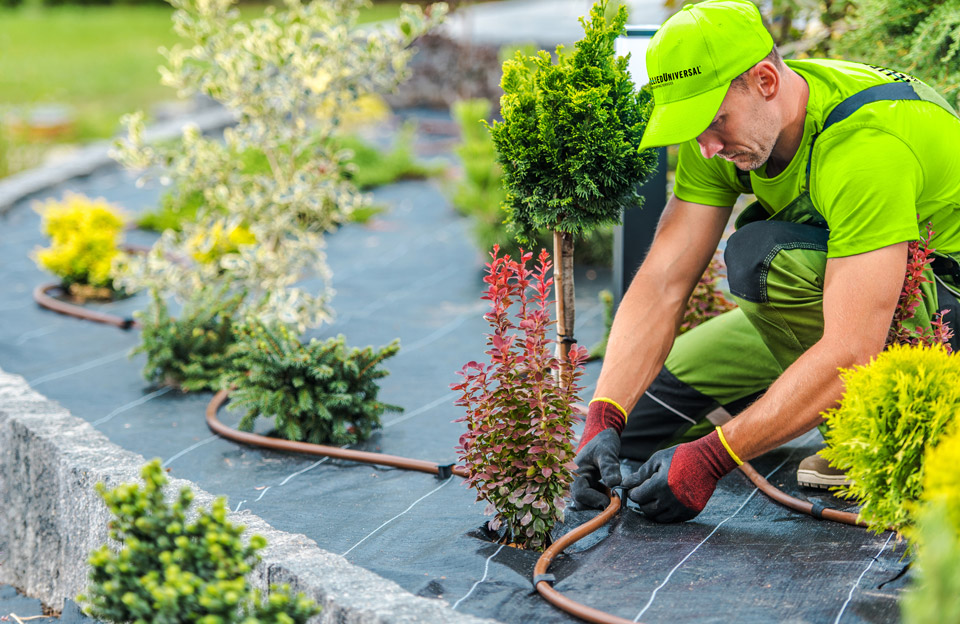
We learned on a Clayton County site that one missed season of pond bank care results in willow saplings that anchor in and throttle the maintenance budget for years. Include stormwater zones in your corporate landscape maintenance scope and schedule them like any other asset.
Scheduling for Rhythm and Tenant Experience
Consistency comes from rhythm. That means crews show up when expected, noisy operations happen at predictable times, and rain delays are communicated before tenants ask. For recurring office landscaping services, we publish a calendar by week and zone, then text or email property contacts when weather shifts the plan. We also carve out quiet hours near conference centers or medical tenants, moving blowers and string trimmers to off-peak windows.
Rough service-time math helps with expectations. A five-building campus at 18 acres with 12 acres of turf and 2.5 acres of bed area typically takes a four-person crew six to eight hours during growing season, longer the first week after heavy rain. Mulch and seasonal color are additional visits. Leaf season requires either longer service windows or a temporary second crew if you want the same-day finish everywhere.
Safety and Risk Reduction on Busy Campuses
Corporate property landscaping must account for cars, pedestrians, and deliveries. Our crews set cones, park away from sightlines, and deploy lookouts when mowing along high-traffic drives. String line debris and mower discharge can damage cars. We use deflector shields and face away from vehicles when possible. Blade sharpness and mower speed control also reduce projectile risks. Riverdale’s frequent late-afternoon pop-up storms create slick walkways, so blower operators should sweep water off main paths, not just clippings.
Chemical applications require a simple protocol: notify property management in advance, post signs, and schedule pre-dawn or low-traffic windows. Follow label restrictions near storm drains, and log records for the corporate maintenance contracts binder. One tight accident prevention program is worth more than a pristine bed.
Budgeting for the Real World
A campus-wide standard still has More help to live inside a budget. The most effective strategy is to separate baseline maintenance from project enhancements. Baseline covers mowing, edging, pruning by calendar, weed control, bed policing, and irrigation checks. Enhancements fund seasonal color, mulch, plant replacements, small renovations, and tree work. We recommend fixed monthly billing for the baseline with a transparent menu for enhancements that management can approve each quarter.
If you need to trim costs without gutting appearance, start by reducing service frequency in low-visibility zones, not by cutting fertilizer or weed control. Then review plant selections. Replacing heavy-shear shrubs with slower growers can pull labor hours out of the budget long term. Irrigation audits and nozzle upgrades often pay for themselves in one summer by right-sizing water use.
Team Structure and Accountability
Even the best plan fails without the right boots on the ground. For a corporate grounds maintenance contract across multiple Riverdale buildings, assign a dedicated account manager who walks the site weekly, plus a field supervisor who manages two to three crews. The manager handles communication, photos, and scorecards. The supervisor handles task sequencing and quality control on site. Crews should carry the same labeled maps that management uses, so everyone speaks the same language: Zone A plaza, Zone D rear bank, Zone F shade beds.
We grade each zone monthly on a 1 to 5 scale across turf health, bed hygiene, pruning, edges, color, and irrigation. Anything below a 4 triggers a corrective plan the following visit. Tenants do not see the scorecard, but they feel the improvement. Over a year, these metrics help decide where to invest enhancement dollars.
Weather Contingencies and Drought Response
Riverdale summers can swing from daily storms to two dry weeks that stress turf. The campus program should have a drought posture. Raise mowing heights on warm-season turf by a quarter inch to shade soil. Pause pre-emergent applications if soil moisture plummets and temperatures soar. Switch irrigation to deeper, less frequent cycles that encourage roots. For fescue, accept partial dormancy in extreme weeks and focus on fall recovery. Post-stress, adjust fertilizer timing to favor slow-release formulations that rebuild without surge growth.
If an ice event hits in winter, avoid rock salt around sensitive lawns and plant beds near entries. Calcium chloride or magnesium chloride products reduce burn risk, and crews should flush edges with water within a day or two when temperatures allow. These adjustments keep office landscaping services aligned with plant health rather than a rigid schedule.
Renovations: Refreshing Without Disrupting Operations
Campuses evolve. New tenants want outdoor seating. A plaza needs shade. The trick is to fold renovations into managed campus landscaping without chaos. Plan phased work by zone, fence small areas, and schedule demolition early in the week so by Thursday the site looks presentable before weekend traffic. Coordinate irrigation capping and wiring changes with the same vendor who maintains the system to avoid future mysteries.
Riverdale’s building codes and tree ordinances vary by parcel, so check local requirements before removing larger trees. Your corporate maintenance contracts should spell out who handles permitting for removals or hardscape change.
Measured Results: What Good Looks Like
Consistency is visible and quantifiable. Healthy turf maintains even color across buildings with no scalping, and weed presence stays below an agreed threshold, often under 5 percent coverage in main lawns. Beds show little to no bare soil and minimal drip line weeds. Shrubs present planned forms without stubs or scalped sides. Irrigation overspray onto hardscapes is rare, and standing water disappears within hours after storms in designed areas. Tenant service requests drop and shift from problem reports to event support and seasonal add-ons.
One Riverdale corporate office landscaping client started with twelve to fifteen monthly complaints, mostly curb weeds, brown patches, and messy entrances after service. After a year of zone mapping, irrigation audits, and a plant palette simplification, requests fell to three to five per month, with half becoming enhancement requests like adding café lights to a courtyard. Grounds budgets did not increase, but labor reallocation and fewer emergency callouts created headroom for seasonal color and a small tree pruning program.
Vendor Fit and Contract Structure
Choosing a partner for corporate grounds maintenance is not only about lowest price. Look for a team with campus-scale experience, irrigation techs on staff, and a documented quality process. Ask to see zone maps and scorecards from similar sites. Confirm they can handle office park maintenance services end to end: mowing, pruning, irrigation, seasonal color, stormwater care, and light tree work, with a network for arborist-level tasks.
Contracts should define service frequencies by season, specify response times for irrigation leaks or safety hazards, and outline communication protocols. Include an annual planning meeting to adjust plant lists and color palettes, plus two formal walks each year with property stakeholders. Managed campus landscaping thrives on those scheduled check-ins.
Local Considerations: Riverdale-Specific Tips
Red clay compaction means aeration is non-negotiable. For warm-season turf, plan core aeration in late spring after green-up. For fescue, aerate and overseed in early fall, then protect seedlings with adjusted irrigation cycles. Shade from mature oaks and pines requires strategic turf reduction. In stubborn spots, convert to groundcovers or decorative gravel bands rather than pouring chemicals and water into a losing battle.
Expect pine straw interest from some tenants who like the look. Pine straw performs well in large naturalized beds and under pines yet can blow onto sidewalks. If you use it, add discreet edging or tuck lines to reduce migration, and plan for semiannual refreshes rather than a single heavy application that mats down.
Finally, watch for localized deer browsing around creeks and wooded edges. Move more vulnerable seasonal color closer to building entrances and select deer-resistant varieties elsewhere.
Bringing It All Together
Campus-wide consistency in Riverdale, GA does not come from one heroic crew push. It comes from a clear visual standard, a plant palette that cooperates with the climate, an irrigation system that actually fits the soil, and a schedule that respects tenants and weather. Corporate campus landscaping works best when managers, crews, and the site itself share a common language, zone by zone, season by season.
When that happens, the campus looks composed on Monday mornings, holds its polish after storms, and tells the same brand story at every doorstep. Tenants notice, leasing teams brag with good reason, and maintenance stops being a fire drill. That is the point of professional office landscaping at scale: the steady, quiet work that makes everything else on site feel organized.
If your current program delivers heroics at the monument sign and headaches everywhere else, start with a map. Score each zone honestly. Choose plants that want to live in Riverdale, not ones that need coaxing. Set irrigation to fit the clay, not the calendar. And write a schedule you can keep. Campus consistency follows.